Structural Integrity: The Endurance Athlete's Guide to Protein
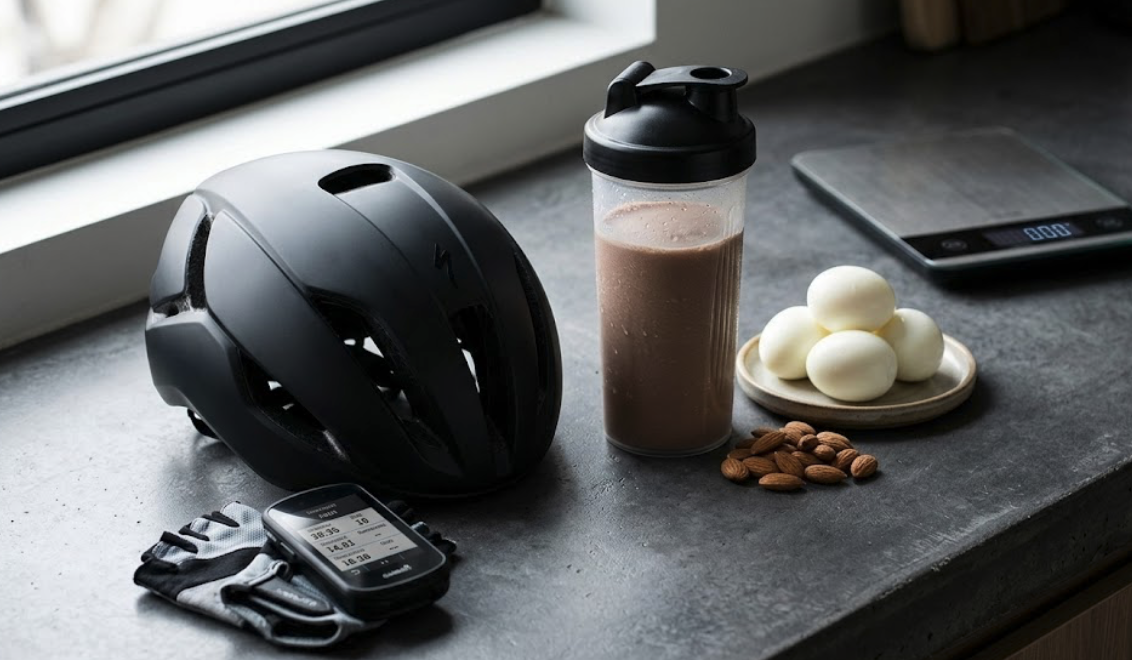
Protein is an important part of overall nutrition.
Category: Training & Nutrition
Author: A. B. Ryder
For decades, the cyclist’s dietary playbook was painfully simple: eat a mountain of pasta, ride your bike, repeat. Carbohydrates were the undisputed king of the peloton, and protein was something only bodybuilders cared about.
But a paradigm shift is happening in endurance sports.
As we understand more about human physiology—especially for athletes balancing rigorous training blocks with weight management phases—protein has moved from the sidelines to the center stage.
If carbohydrates are the fuel that powers the engine, protein is the mechanic that rebuilds it. But how much do you actually need, when should you take it, and what are the hidden costs of over-indexing on it? Let's break down the system.
The Benefits: Why We Need the Mechanic
When you are turning a big gear for three hours, you are actively creating micro-tears in your muscle fibers. You are breaking the machine down.
Protein provides the essential amino acids required to stitch those fibers back together, making them more resilient for the next ride. Beyond simple muscle repair, an optimized protein intake provides three massive benefits for the endurance athlete:
Preservation of Lean Mass: During heavy training blocks or off-season weight management phases, a caloric deficit can cause your body to cannibalize muscle. High protein intake ensures you lose fat, not watts.
Metabolic Stability: Protein has a high thermic effect and blunts blood sugar spikes, making it an incredible tool for maintaining steady energy levels off the bike.
Immune System Support: Heavy training suppresses the immune system. The amino acids in protein are the building blocks for immune cells, keeping you healthy during peak season.
The Math: Grams Per Pound
The old FDA recommendation of 0.36 grams per pound of body weight is enough to keep a sedentary person alive, but it will leave a cyclist severely under-recovered.
Current sports science suggests endurance athletes need significantly more:
The Baseline: Aim for 0.7 to 1.0 grams of protein per pound of body weight daily.
Example: If you weigh 160 lbs, your target is between 112 and 160 grams of protein per day.
Getting to that number requires intentionality. It means treating protein as the anchor of every meal, rather than an afterthought. If you aren't measuring it, you are guessing. I keep a Greater Goods Digital Food Scaleon the counter to take the guesswork out of my macros. It is the cheapest, most effective weight management tool you can own.
The Timing: The Post-Ride Protocol
You don't need to panic and chug a protein shake the second you unclip, but timing does matter.
The 45-Minute Window: After a hard interval session or a long endurance ride, your muscles are primed like a sponge to absorb nutrients. Aim to ingest 25 to 30 grams of high-quality protein within 30 to 45 minutes of finishing your ride.
The Ready-to-Drink Option: If I need convenience after a grueling session and want to skip the blender, I reach for a Premier Protein Shake. They pack exactly 30 grams of protein, taste great cold, and are easy to throw in a gear bag or leave in the cooler in the car.
The Zero-Carb Option: If I'm blending my own recovery mix at home, especially during an off-season or a strict weight-management phase, I use Isopure Zero Carb Protein Powder. It hits the protein macro perfectly without accidentally spiking my carb intake when my body doesn't need it.
Distribution is Key: Your body cannot effectively process 100 grams of protein in one sitting. The system operates best with a steady drip. Distribute your intake evenly across 3 to 4 meals throughout the day to keep muscle protein synthesis elevated.
The Cons: System Overload (Proceed at Your Own Risk)
Disclaimer: I am a researcher and an author, not a physician. Always consult with a medical professional before drastically altering your diet, especially if you have underlying health conditions.
While the benefits are massive, treating protein like a magic bullet comes with biological trade-offs. More is not always better.
Carbohydrate Displacement: This is the biggest risk for cyclists. If you fill your stomach with heavy proteins, you might not eat enough of the carbohydrates necessary to replenish your glycogen stores. On a ride day, carbs are still your primary fuel. If you neglect them, you will bonk.
Gastrointestinal Distress: Protein digests slowly. Eating a heavy, protein-rich meal too close to a ride will leave the food sitting in your gut, pulling blood away from your legs and leading to severe cramping or nausea.
Kidney Strain: For individuals with pre-existing kidney issues, filtering abnormally high levels of protein can cause undue stress on the renal system.
The Verdict
You cannot build a high-performance machine out of low-quality materials. By dialing in your protein intake, you protect your power output, speed up your recovery, and ensure your engine is ready to fire when you hit the road tomorrow. Measure your macros, respect the timing, and listen to your body’s feedback loop.
